
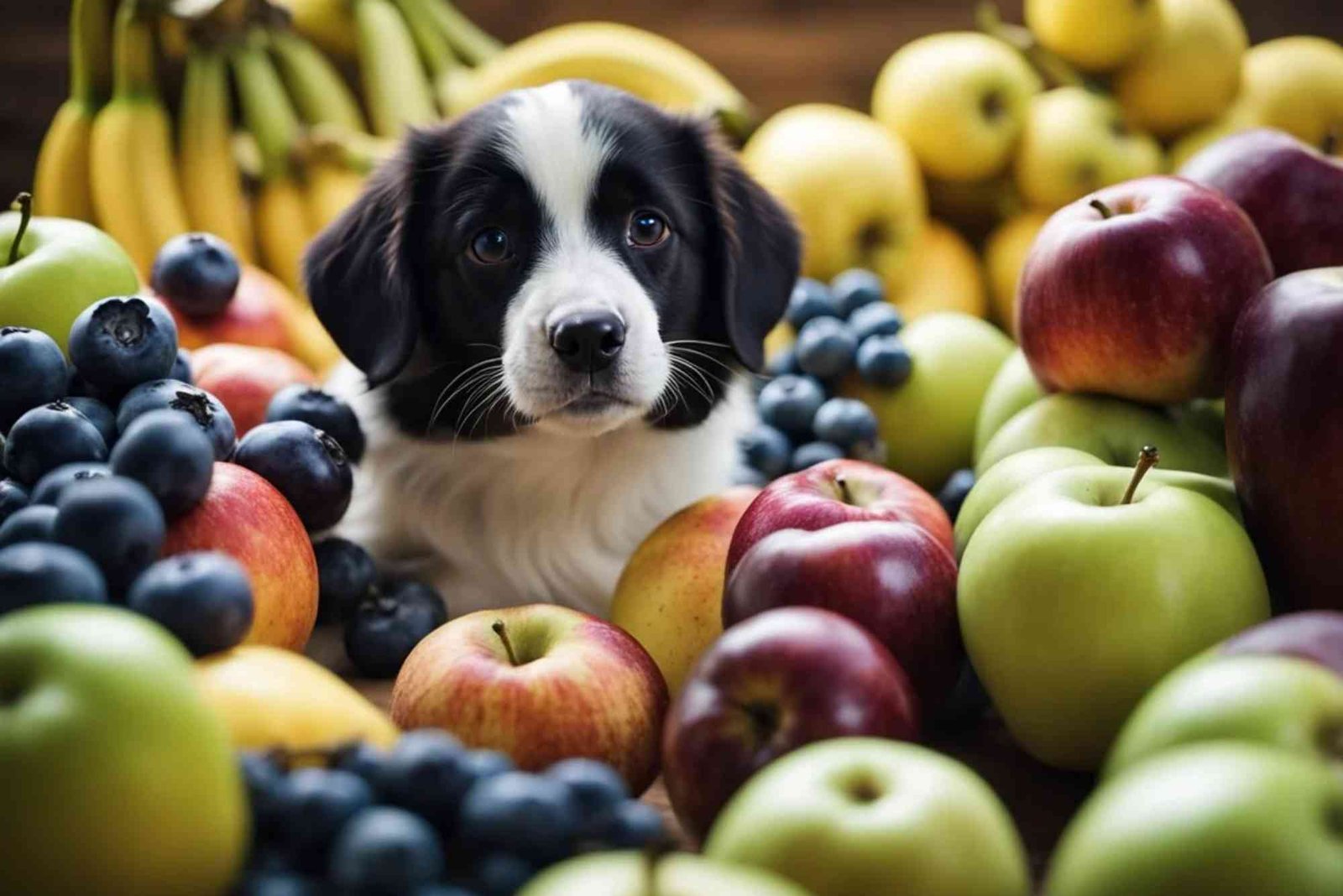
Can Dogs Eat Apples, Bananas, and Carrots? Fibre Benefits and Choking Hazard Prevention
Can Dogs Eat Apples, Bananas, and Carrots? Fibre Benefits and Choking Hazard Prevention is an important question for dog owners. These common foods can provide useful nutrients when served correctly. However, preparation, portion size and your dog’s individual needs all matter.
Apples, bananas and carrots are generally suitable for many healthy dogs. They can provide fibre, vitamins and natural carbohydrates. Nevertheless, they should complement a balanced canine diet rather than replace it.
The biggest concern is often how these foods are prepared. Large, hard or poorly cut pieces can create a choking risk. Certain parts of fruit should also be removed before feeding.
Understanding the benefits and potential hazards helps you make safer choices. This guide explains how to serve each food and when extra caution is needed.
Can Dogs Eat Apples, Bananas, and Carrots? Fibre Benefits and Choking Hazard Prevention
Yes, many dogs can safely eat apples, bananas and carrots in appropriate portions. Each food offers different nutritional benefits.
Apples contain fibre and several vitamins. Bananas provide carbohydrates, potassium and fibre. Carrots offer fibre and beta-carotene, while their crunchy texture can make them appealing to some dogs.

However, “safe” does not mean unlimited. Treats should remain a small part of a dog’s overall diet. Too much fruit or vegetables may cause digestive upset.
Your dog’s age, size, health and normal diet should therefore influence serving amounts.
Are Apples Safe for Dogs?
Apples can be a healthy occasional treat for many dogs. They contain fibre and water, making them a relatively light snack.
However, preparation is essential. Apple seeds, stems and leaves should not be deliberately fed to dogs. The core can also become a choking or obstruction hazard.
Wash the apple thoroughly before serving. Remove the stem and core, then cut the flesh into small, manageable pieces.
Soft or finely sliced apple is generally easier for dogs to eat than a large whole piece.
What Are the Benefits of Apples for Dogs?
Apple flesh provides dietary fibre and vitamin C. Fibre can support normal digestive function when consumed in sensible amounts.
Apples also contain water, which contributes slightly to overall hydration. Their natural sweetness can make them attractive as an occasional reward.
Still, apples contain natural sugars. Dogs do not need fruit to meet their basic nutritional requirements. Therefore, moderation remains important.
Can Dogs Eat Bananas?
Bananas are generally safe for many healthy dogs when offered in small amounts. They provide potassium, carbohydrates and dietary fibre.
Because bananas are softer than apples and carrots, they are usually easier to chew. Even so, large chunks can still be swallowed too quickly.
Peel the banana before feeding it. The peel is difficult to digest and may cause gastrointestinal problems.
Slice the fruit into small pieces appropriate for your dog’s size.
Do Bananas Provide Fibre for Dogs?
Yes, bananas contain dietary fibre. Fibre can contribute to healthy bowel function and normal digestion.
However, too much fibre can produce loose stools, gas or other digestive discomfort. Bananas also contain more carbohydrates than some lower-calorie vegetables.
For that reason, banana works best as an occasional treat rather than a daily staple.
Are Carrots Good for Dogs?
Carrots are one of the more convenient vegetables for many dogs. They can be served raw, lightly cooked or incorporated into suitable homemade treats.
They provide fibre and beta-carotene, which the body can convert into vitamin A. Carrots are also relatively low in calories compared with many processed treats.
Their crunchy texture may make them particularly appealing to dogs that enjoy chewing.
Nevertheless, whole carrots can be difficult for some dogs to manage safely. Cutting them into suitable pieces can reduce this concern.
Can Puppies Eat Carrots?
Puppies can potentially eat appropriately prepared carrots. However, their teeth, chewing ability and digestive systems differ from adult dogs.
Very young puppies may struggle with hard raw pieces. Softened or finely chopped carrot may be easier for them.
Introduce new foods gradually. Watch for vomiting, diarrhoea, excessive gas or other unusual reactions.
If your puppy has specific dietary requirements, discuss treats with your veterinary professional.
Fibre Benefits of Apples, Bananas and Carrots
Fibre is one reason these foods can be useful occasional treats. It supports normal digestive function and contributes to healthy bowel movements.
Different types of fibre behave differently in the digestive tract. Some fibres add bulk, while others can support beneficial intestinal bacteria.
However, more fibre is not automatically better. Dogs need a nutritionally balanced diet rather than excessive amounts of fruit and vegetables.
A sudden increase in fibre can cause digestive upset. Introduce new foods slowly and keep portions modest.
Understanding Choking Hazards in Dogs
Choking prevention is particularly important when offering firm foods. Dogs often eat quickly, and some barely chew their food.
A large piece can become lodged in the throat. This risk can be greater for puppies, small breeds and dogs that gulp their food.
Preparation therefore matters as much as the food itself.
Cut apples and carrots into small pieces suited to your dog’s mouth. Slice bananas rather than offering large sections.
Supervise your dog while eating unfamiliar foods. Never assume that a food is safe simply because it is considered dog-friendly.
How to Prevent Choking When Giving Dogs Fruit
The safest approach is to consider the food’s texture, size and shape. Hard, round or unusually large pieces deserve extra caution.
For example, a whole baby carrot may be too large for a small dog. Similarly, a large apple wedge could be swallowed without adequate chewing.
Smaller pieces provide better control. For dogs that gulp food, finely chopped or softened ingredients may be more appropriate.
If your dog has a history of swallowing food rapidly, take additional precautions.
How Much Fruit and Vegetables Can Dogs Eat?
There is no single portion suitable for every dog. A Chihuahua and a Great Dane have very different calorie requirements.
Treats should generally remain limited within the dog’s overall daily calorie intake. Fruit and vegetables should not displace complete and balanced dog food.
Start with a small piece when introducing a new food. If your dog tolerates it, you can occasionally offer a little more.
A veterinary professional can provide more personalised guidance for dogs with weight, digestive or metabolic concerns.
| Food | Potential benefits | Main concern | Safer preparation |
|---|---|---|---|
| Apple | Fibre, water and vitamins | Seeds, core and choking | Remove core and seeds; cut small |
| Banana | Fibre and potassium | Sugar and digestive upset | Remove peel; slice small |
| Carrot | Fibre and beta-carotene | Hard pieces and choking | Chop or soften appropriately |
Can These Foods Replace Dog Treats?
They can sometimes be used as alternatives to highly processed treats. However, they should still be considered treats rather than complete meals.
Fresh foods may work well as occasional rewards during training. Small pieces can provide variety without adding excessive calories.
However, every dog responds differently. Some dogs have sensitive stomachs or food intolerances.
If digestive symptoms develop after introducing a food, stop offering it and seek appropriate veterinary advice.
When Should Dogs Avoid These Foods?
Some dogs may need dietary restrictions because of existing health concerns. Dogs with specific medical conditions may require carefully controlled diets.
Food allergies or intolerances can also affect individual dogs. A food that suits one dog may cause problems for another.
Dogs that have difficulty chewing or swallowing may require modified food textures. In such cases, veterinary advice is particularly valuable.
Never use fruit or vegetables as a substitute for prescribed dietary management.
Can Dogs Eat Apples, Bananas, and Carrots Every Day?
Dogs may tolerate small amounts of these foods regularly, but daily feeding is not necessary. A balanced complete diet should provide the nutrients your dog needs.
Treat variety can be useful, but moderation is more important than frequency.
If you offer these foods regularly, account for their calories. This is especially important for dogs that are overweight or prone to weight gain.
Small portions can help prevent treats from becoming a significant source of excess calories.
Can Dogs Eat Apples, Bananas, and Carrots? Fibre Benefits and Choking Hazard Prevention for Different Dogs
The answer can vary depending on the individual dog.
A large adult dog may comfortably handle a piece that is unsuitable for a toy breed. Puppies may need softer textures and smaller portions.
Older dogs with dental problems may also struggle with raw carrots. Dogs that eat rapidly may require extra supervision.
Therefore, safe feeding involves more than choosing an appropriate ingredient. You must also consider your dog’s size, chewing habits and health.
Safe Treats and Animal Behaviour
Food can also influence feeding behaviour. Dogs quickly learn which foods are rewarding, especially during training.
Using tiny pieces of suitable fruit or vegetables can provide occasional rewards without relying entirely on commercial treats.
Understanding normal canine behaviour can make feeding decisions easier. Resources such as Expertloom and Animal Behavior Science can provide broader educational context around animal behaviour and feeding habits.
Always evaluate online information alongside your dog’s individual needs and professional veterinary advice.
Frequently Asked Questions
Can Dogs Eat Apples?
Is apple safe for dogs?
Yes, apple flesh can be suitable for many dogs when prepared correctly. Remove the core, stem and seeds before serving.
How much apple can a dog eat?
The appropriate amount depends on your dog’s size and overall diet. Start with a small piece and monitor digestion.
Can Dogs Eat Bananas?
Are bananas good for dogs?
Bananas can provide fibre and potassium as an occasional treat. Their natural sugar content means portions should remain modest.
Can dogs eat banana peel?
Banana peel is difficult to digest and should not be intentionally fed to dogs. Remove the peel before offering banana.
Can Dogs Eat Carrots?
Are raw carrots safe for dogs?
Many dogs can eat raw carrots, but preparation matters. Large or hard pieces can present a choking hazard.
Can dogs eat cooked carrots?
Plain cooked carrots can be suitable for many dogs. Avoid ingredients such as excessive salt, butter, sauces or seasonings.
What Fruits Are Safe for Dogs?
What fruit can dogs eat?
Several fruits can be suitable in moderation, including properly prepared apples and bananas. However, each fruit has its own preparation requirements.
Never assume every fruit or fruit part is safe. Research unfamiliar foods before offering them.
Can Dogs Eat Apples, Bananas, and Carrots? Fibre Benefits and Choking Hazard Prevention
The answer is generally yes for healthy dogs when these foods are prepared appropriately. Apples offer fibre and water, bananas provide fibre and potassium, while carrots supply fibre and beta-carotene.
Nevertheless, portion control remains essential. More importantly, choking prevention should always guide preparation.
Remove apple cores and seeds, peel bananas, and cut firm foods into manageable pieces. Supervise your dog and introduce new foods gradually.
Most importantly, remember that these foods are treats rather than replacements for a complete canine diet. If your dog has dietary restrictions or health concerns, consult your veterinary professional before changing their diet.
If you want to make your dog’s treats safer and more varied, start with small portions and simple preparation. Careful choices can provide variety while keeping your dog’s everyday nutrition balanced.
For vegetable ideas, information about PetMD Canine Safe Vegetables may also help owners understand which options are commonly considered suitable.
Related Reading: Benefits of Scheduling Regular Air Conditioning Maintenance — full guide
Related Reading: المسح الأرضي: أفضل الممارسات
Related Reading: Best Heavy Duty No-Pull Harnesses for Pitbulls, Boxers, and Strong Pullers — full guide
Related Reading: How to Train a Dog to Walk Beside a Stroller Without Pulling or Lunging — full guide