
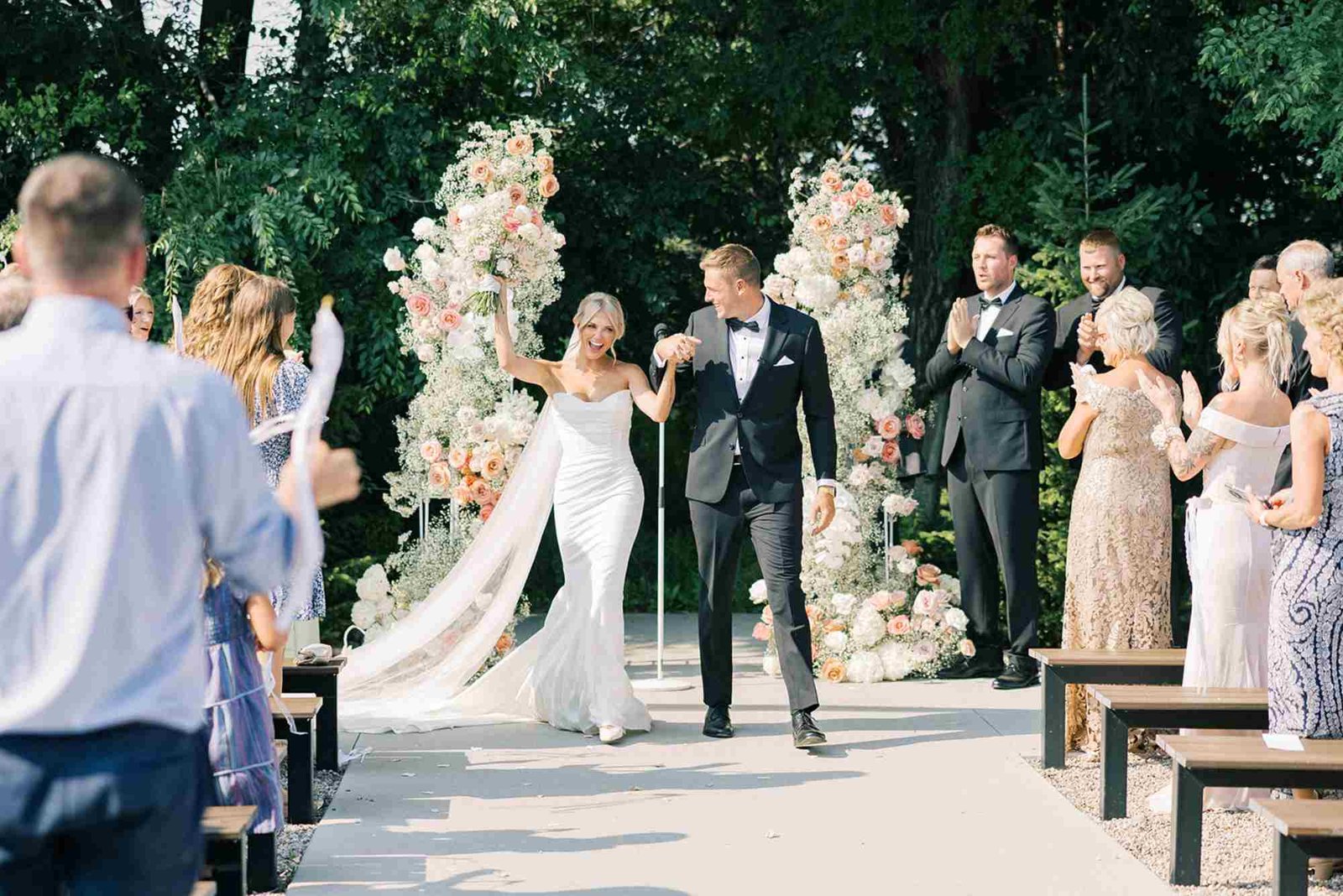
Wedding Planning for Outdoor Weddings
Planning a wedding is always a thrilling yet challenging experience, and outdoor weddings come with their own set of unique considerations. From choosing the perfect location to managing logistics, a successful outdoor wedding requires meticulous planning and attention to detail. For couples who dream of exchanging vows under the open sky, understanding the nuances of outdoor wedding planning is crucial.
Choosing the Perfect Outdoor Venue
Selecting a venue is the foundation of any outdoor wedding. Unlike indoor spaces, outdoor venues are influenced by weather, terrain, and accessibility. Gardens, beaches, vineyards, and mountain vistas are popular choices, each providing a distinct ambiance. When choosing, consider accessibility for guests, available facilities, and permits that may be required. The right venue sets the tone for your ceremony and ensures guests enjoy a comfortable and memorable experience.
Timing and Seasonal Considerations
Timing is essential for outdoor weddings. Spring and fall often provide mild weather and beautiful natural backdrops, while summer can be hot and winter may bring unpredictable conditions. Selecting the right season not only ensures comfort but also affects your wedding theme and floral arrangements. Additionally, planning around daylight hours can enhance the ceremony and photography, capturing the beauty of natural lighting.
Planning Your Wedding Guest List
Creating a wedding guest list is a critical step that affects many aspects of outdoor wedding planning. Outdoor venues may have capacity restrictions, so knowing the number of attendees helps in selecting the right space. The guest list also influences seating arrangements, catering requirements, and even the design of invitations. A well-planned guest list ensures no one is left out while maintaining an intimate and organized atmosphere.
Designing the Outdoor Wedding Layout
Unlike indoor weddings, outdoor ceremonies require a carefully thought-out layout. Consider the placement of the altar, seating arrangements, and pathways for guests. Ensure clear access to restrooms and emergency exits, and think about how different areas will be used throughout the event. Adding decorative elements like tents, arches, or lounge areas can enhance the aesthetic while also serving practical purposes, such as providing shade or shelter.
Catering and Refreshments
Food and drink at outdoor weddings require special attention. Ensure catering services are equipped to handle outdoor conditions, including maintaining proper temperatures and protecting against pests. Outdoor weddings often benefit from buffet-style setups or stations that allow guests to serve themselves while mingling. Hydration is particularly important, especially in warmer climates, so providing plenty of beverages throughout the event is essential.
Managing Weather Challenges
Weather is one of the biggest variables in outdoor weddings. Rain, wind, or excessive heat can impact the experience if not properly planned for. Renting tents, providing fans or heaters, and having backup indoor options can mitigate risks. Monitoring weather forecasts and communicating with vendors ensures everyone is prepared for sudden changes. A proactive approach helps maintain the event’s flow and prevents unexpected disruptions.
Outdoor Wedding Decor and Ambiance
Decorating outdoor spaces offers both challenges and opportunities. Natural surroundings can serve as a backdrop, reducing the need for extensive decoration. Incorporating flowers, lighting, and fabric drapes enhances the setting while keeping it aligned with the theme. String lights, lanterns, and candles can add warmth for evening ceremonies, while elegant pathways and signage guide guests seamlessly through the venue.
Entertainment and Music Considerations
Outdoor acoustics differ from indoor spaces, making music and speeches a unique challenge. Invest in quality sound systems to ensure everyone hears the ceremony and any announcements. Live bands or DJs should consider power sources, stage setup, and potential environmental disturbances. Planning entertainment that complements the outdoor setting enhances the overall experience and keeps guests engaged.
Photography and Videography
Capturing an outdoor wedding requires attention to lighting, angles, and natural elements. Photographers often prefer early morning or late afternoon light for softer, flattering images. Scenic backdrops such as lakes, gardens, or mountains can elevate the visuals. Coordination with the photographer ensures that weather conditions and venue layout are factored in, resulting in stunning, memorable photos that reflect the event’s beauty.
Budgeting for Outdoor Weddings
Budgeting for an outdoor wedding differs from traditional indoor venues. Consider costs for tents, portable restrooms, permits, and contingency plans for inclement weather. Tracking expenses carefully helps avoid surprises and ensures funds are allocated efficiently. Utilizing a comprehensive wedding budget allows couples to balance aesthetics, comfort, and functionality without overspending.
Vendor Coordination
Outdoor weddings require close coordination with multiple vendors. Caterers, florists, photographers, and musicians need to understand the venue’s specifics, including power supply, load-in times, and weather contingencies. Establishing clear communication and contracts ensures vendors deliver as planned, creating a seamless experience. A detailed timeline and checklist can help manage these responsibilities effectively.
Guest Comfort and Accessibility
Ensuring guest comfort is vital for an outdoor wedding. Provide shaded areas, seating options, and amenities like fans or blankets depending on the season. Accessibility for elderly guests or those with mobility challenges should be a priority. Thoughtful touches, such as insect repellents, water stations, or sunscreen, enhance guest satisfaction and demonstrate care and planning.
Personal Touches and Unique Experiences
Outdoor weddings allow for unique and personalized experiences. Whether incorporating local traditions, interactive food stations, or themed decorations, personal touches create a memorable atmosphere. Adding creative elements like lawn games, photo booths, or live entertainment encourages guests to engage and enjoy the celebration fully.
Planning a wedding for outdoor weddings requires thoughtful preparation, creativity, and adaptability. From selecting the ideal venue to ensuring guest comfort and coordinating vendors, each step contributes to a memorable and successful event. By carefully managing logistics, budgeting wisely, and adding personal touches, couples can create a stunning outdoor wedding that reflects their style and love story. Start your planning today and bring your dream outdoor wedding to life