Feline Hyperthyroidism: Weight Loss with Increased Appetite Symptoms and Treatment
Feline Hyperthyroidism: Weight Loss with Increased Appetite Symptoms and Treatment is an important topic for cat owners. This condition is common in older cats. It affects the thyroid glands and changes how the body uses energy.
One of the most noticeable signs is weight loss despite increased appetite. A cat may seem hungry all the time but continue becoming thinner. This unusual combination can be easy to overlook at first.
Fortunately, feline hyperthyroidism can usually be diagnosed with blood testing. Several effective treatments are also available. Early veterinary care can improve comfort and help protect long-term health.
What Is Feline Hyperthyroidism?
Feline hyperthyroidism occurs when the thyroid gland produces too much thyroid hormone. These hormones control many processes involving metabolism and energy use.
In most affected cats, the thyroid becomes enlarged because of a benign growth. Cancerous thyroid tumors are uncommon. However, excessive hormone production can still place significant stress on the body.
The condition primarily affects middle-aged and senior cats. Therefore, regular veterinary examinations become increasingly important as cats grow older.

Understanding Feline Hyperthyroidism: Weight Loss with Increased Appetite Symptoms and Treatment starts with recognizing this metabolic problem. Owners should not assume normal aging explains every change in an older cat.
Why Does Hyperthyroidism Cause Weight Loss?
Thyroid hormones influence metabolic activity throughout the body. When hormone levels become excessive, metabolism can become unusually fast.
As a result, the cat burns more calories than normal. The body may use stored fat and muscle for additional energy.
This explains why a hyperthyroid cat can lose weight while eating normally or even eating more than usual. The increased appetite represents the body’s attempt to replace those lost calories.
However, weight loss has many possible causes. Diabetes, kidney disease, gastrointestinal problems, dental disease, and cancer can produce similar changes.
Therefore, veterinary testing is essential before assuming hyperthyroidism is responsible.
Common Symptoms of Feline Hyperthyroidism
Symptoms can develop gradually. Some cats show only subtle changes during the early stages.
Weight Loss Despite Increased Appetite
This is one of the classic signs. Your cat may finish meals quickly and ask for additional food.
Despite eating more, the cat may gradually lose body weight. The ribs, spine, or hips may become easier to feel.
Increased Thirst and Urination
Some hyperthyroid cats drink more water than usual. They may also urinate more frequently.
These symptoms can overlap with kidney disease and diabetes. Consequently, they should be evaluated alongside blood and urine tests.
Restlessness and Increased Activity
A previously calm cat may become restless. Some cats pace around the house or seem unable to settle comfortably.
They may also become more vocal, especially at night. Behavioral changes can sometimes be mistaken for normal aging.
Vomiting or Diarrhea
An accelerated metabolism can affect the digestive system. Some cats develop vomiting, loose stools, or increased bowel movements.
These symptoms may occur intermittently. Persistent digestive problems always deserve veterinary attention.
Poor Coat Condition
The coat may become greasy, unkempt, or thinner. Cats may groom differently because they feel uncomfortable or unusually energetic.
Rapid Heart Rate
Excess thyroid hormone can increase the heart rate. Some cats develop heart muscle changes over time.
This is one reason untreated disease should not be ignored. Veterinary monitoring can help identify cardiovascular complications early.
Feline Hyperthyroidism: Weight Loss with Increased Appetite Symptoms and Treatment
The combination of weight loss and increased appetite is especially important in senior cats. However, diagnosis requires more than observing symptoms.
Veterinarians commonly begin with a physical examination. The thyroid glands may feel enlarged in some cats.
A blood test measuring total thyroxine, commonly called T4, is often used. Elevated T4 levels can strongly support a diagnosis.
Sometimes the results are not straightforward. A veterinarian may recommend additional thyroid testing or repeat testing later.
Other blood and urine tests are also useful. They help assess kidney function, liver health, blood glucose, and other conditions.
How Veterinarians Diagnose the Condition
Diagnosis considers the cat’s age, symptoms, physical examination, and laboratory results.
| Diagnostic Step | What It Helps Assess |
|---|---|
| Physical examination | Weight, heart rate, thyroid enlargement, general health |
| Total T4 blood test | Thyroid hormone level |
| Complete blood count | General health and possible abnormalities |
| Biochemistry panel | Kidney, liver, and metabolic function |
| Urinalysis | Kidney health and urinary abnormalities |
| Additional thyroid testing | Unclear or borderline cases |
| Blood pressure measurement | Hypertension associated with thyroid disease |
No single symptom should be used to diagnose hyperthyroidism. A complete evaluation gives the veterinarian a clearer picture.
Treatment Options for Feline Hyperthyroidism
Several treatments are available. The best choice depends on the cat’s age, overall health, kidney function, lifestyle, and owner preferences.
Medication
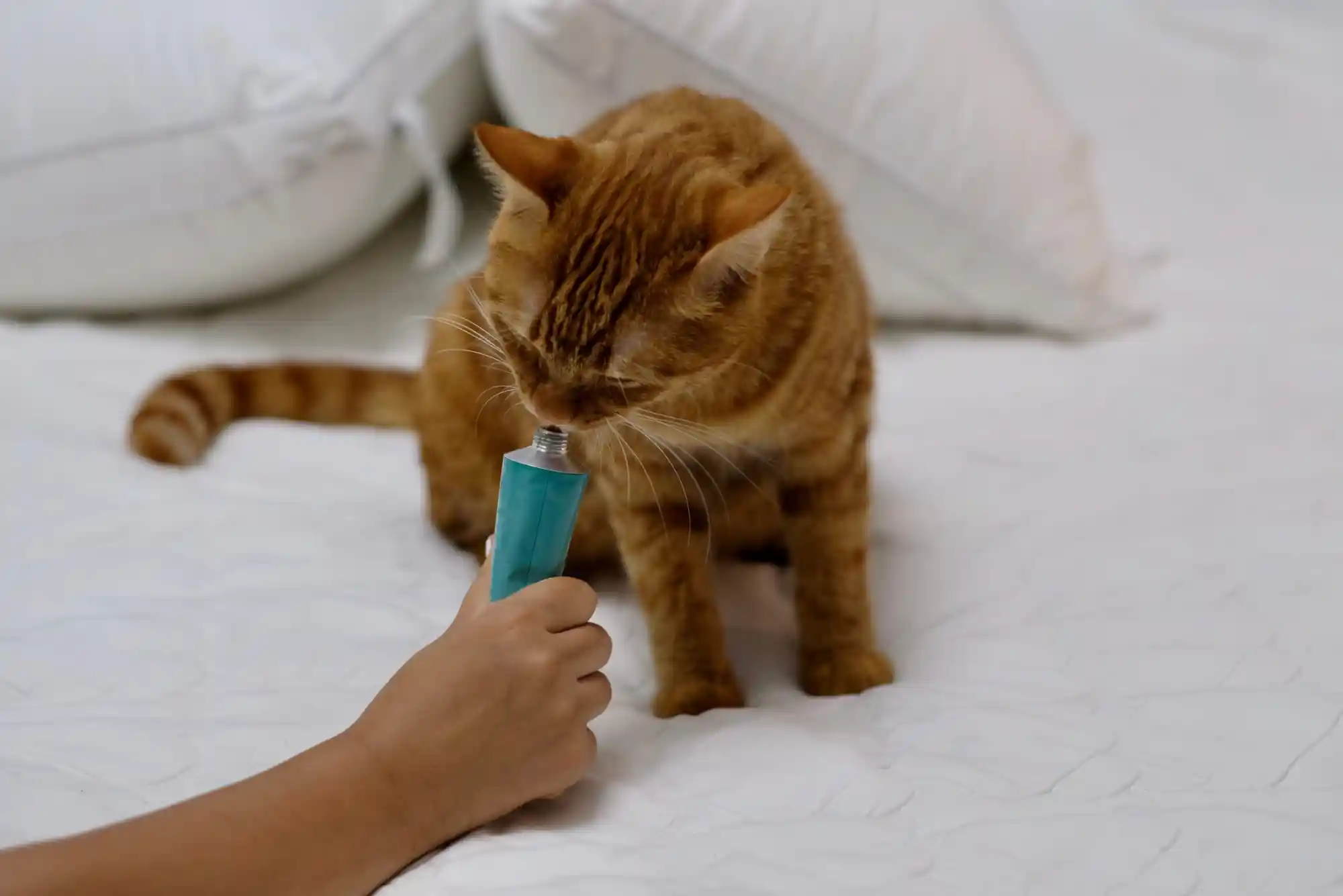
Antithyroid medication reduces the production of thyroid hormones. Methimazole is commonly prescribed for this purpose.
Medication can control hormone levels without permanently changing the thyroid gland. However, it requires regular administration and veterinary monitoring.
Some cats experience side effects. These can include digestive problems, reduced appetite, facial itching, or changes in blood results.
Never change the dosage without veterinary guidance.
Radioactive Iodine Therapy
Radioactive iodine therapy is often considered a definitive treatment. It targets abnormal thyroid tissue while minimizing damage to normal tissues.
The procedure can eliminate excessive thyroid hormone production in many cats. It also avoids daily medication in many successfully treated cats.
However, availability and cost vary by location. Treatment requires specialized veterinary facilities.
Surgery
Surgical removal of affected thyroid tissue may be appropriate for selected cats. It can provide a definitive solution when abnormal tissue is localized.
Nevertheless, surgery has potential complications. The veterinarian must consider anesthesia risks and the possibility of affecting nearby parathyroid tissue.
Prescription Iodine-Restricted Diet
Special therapeutic diets contain restricted iodine. Reduced iodine availability can limit thyroid hormone production.
This option requires strict dietary consistency. Treats, table foods, and other diets may interfere with the approach.
It is therefore important to discuss diet therapy carefully with a veterinarian.
Comparing Treatment Approaches
| Treatment | Main Advantage | Important Consideration |
|---|---|---|
| Medication | Flexible and widely available | Requires ongoing dosing and monitoring |
| Radioactive iodine | Often definitive | Requires specialized facilities |
| Surgery | Potentially definitive | Carries surgical and anesthesia risks |
| Therapeutic diet | Non-invasive | Requires strict dietary compliance |
There is no universally perfect treatment. Expertloom The right option depends on the individual cat.
Why Kidney Health Matters
Hyperthyroidism and kidney disease can occur together, particularly in older cats. Increased blood flow through the kidneys can sometimes make kidney function appear better than it actually is.
After thyroid hormone levels return toward normal, underlying kidney problems may become more noticeable.
This does not mean treatment should automatically be avoided. Instead, veterinarians usually monitor kidney function carefully.
Regular bloodwork helps determine whether treatment remains appropriate. It also allows the veterinary team to adjust therapy when necessary.
What Happens After Treatment?
Follow-up care is an essential part of Feline Hyperthyroidism: Weight Loss with Increased Appetite Symptoms and Treatment.
A cat’s hormone levels should be checked according to the veterinarian’s schedule. Kidney values and other health markers may also need monitoring.
Weight should be tracked regularly at home. A gradual return toward a healthy body condition is generally encouraging.
Owners should also watch appetite, thirst, urination, energy, and behavior. Any sudden change should be reported to the veterinary team.
A simple record of these changes can make follow-up appointments more useful.
Can Feline Hyperthyroidism Be Prevented?
There is no guaranteed way to prevent feline hyperthyroidism. The exact causes are not fully understood.
However, routine veterinary examinations can help detect the condition earlier. This becomes particularly valuable for senior cats.
Annual wellness visits may be recommended more frequently as a cat ages. Blood testing can also identify other age-related health concerns.
Early detection gives owners more treatment choices. It may also reduce complications associated with prolonged uncontrolled thyroid hormone levels.
Frequently Asked Questions
Can hyperthyroidism cause weight loss in cats?
Yes. Excess thyroid hormone increases metabolic activity. Consequently, affected cats can lose fat and muscle even when they eat more food.
Why is my cat losing weight but eating more?
Weight loss with increased appetite can have several causes. Hyperthyroidism is one important possibility in older cats.
Diabetes, intestinal disease, and other conditions can cause similar signs. Veterinary testing is therefore necessary.
What are the first signs of hyperthyroidism in cats?
Early signs may include weight loss, increased appetite, increased thirst, restlessness, and increased vocalization.
Some cats show only one or two symptoms initially. Regular examinations can help identify subtle changes.
How is feline hyperthyroidism treated?
Treatment may involve medication, radioactive iodine therapy, surgery, or a therapeutic iodine-restricted diet.
The most appropriate option depends on the cat’s health and individual circumstances.
Is feline hyperthyroidism curable?
Some treatments can provide a definitive resolution of excessive thyroid hormone production. Radioactive iodine and appropriate surgery can often achieve this goal.
Medication and dietary therapy generally control the condition rather than permanently removing its cause.
What happens if hyperthyroidism is left untreated?
Untreated disease can place ongoing stress on the heart and other organs. It may contribute to high blood pressure, muscle loss, and declining body condition.
For that reason, suspected hyperthyroidism should be evaluated promptly.
Supporting a Cat With Hyperthyroidism
Good home care complements veterinary treatment. Offer meals according to the recommended feeding plan and monitor weight regularly.
Keep medication schedules consistent when medication is prescribed. Missing doses can affect hormone control.
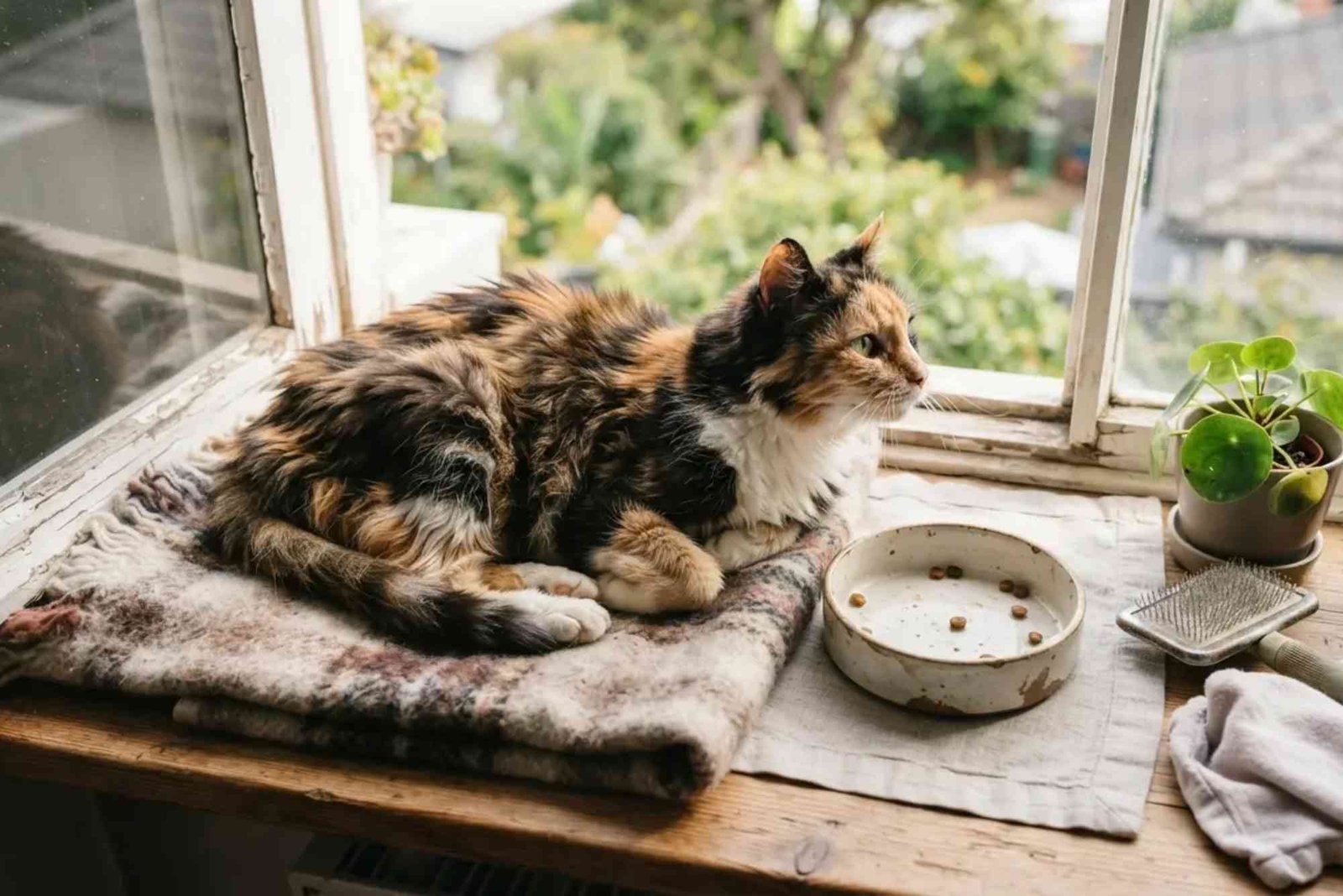
Provide fresh water and a comfortable resting environment. Older cats may also benefit from easy access to food, water, litter boxes, and sleeping areas.
Most importantly, communicate changes to your veterinarian. Small changes can provide valuable information about treatment effectiveness.
Resources discussing Animal Behavior Science, Expertloom, and CatVets Feline Endocrine Disorders can also help owners understand broader feline behavior and endocrine-health concepts.
Conclusion
Feline Hyperthyroidism: Weight Loss with Increased Appetite Symptoms and Treatment is especially relevant for owners of older cats. Weight loss combined with increased appetite should never be dismissed as simple aging.
Hyperthyroidism is often manageable when identified and treated appropriately. Medication, radioactive iodine, surgery, and therapeutic diets provide different treatment pathways.
Veterinary testing is the key first step. Ongoing monitoring is equally important because thyroid disease can affect the heart, blood pressure, kidneys, and overall body condition.
If your cat is losing weight while eating more, schedule a veterinary examination and ask whether thyroid testing is appropriate. Early attention can make a meaningful difference to your cat’s comfort and long-term quality of life.
Related Reading: Best Heavy Duty No-Pull Harnesses for Pitbulls, Boxers, and Strong Pullers