Introduction
Resource guarding in dogs can make everyday activities stressful for pet owners. A dog might growl over a food bowl, snap when someone approaches a toy, or hide valuable treats. These behaviors often develop because dogs fear losing something important. Understanding this fear is the first step toward safer interactions.
Resource Guarding in Dogs: How to Stop Food and Toy Aggression with Trade Drills focuses on building trust through positive reinforcement. Instead of forcing a dog to surrender possessions, owners can teach that human approaches bring better rewards. With patience, appropriate management, and consistent training, many dogs learn to feel more comfortable around their resources.
What Is Resource Guarding in Dogs?
Resource guarding occurs when a dog uses behavior to protect something it considers valuable. These resources can include food, bones, toys, resting places, or stolen household objects. Some dogs also guard their favorite people.
Common warning signs include stiff body language, freezing, hard staring, lip lifting, growling, and snapping. A dog might also move away with an object or position its body over a food bowl.
Not every dog displays every warning sign. Some show subtle discomfort before escalating. Recognizing these signals early helps owners prevent dangerous situations.
Importantly, resource guarding does not automatically mean a dog is dominant or disobedient. Fear, insecurity, previous experiences, and competition can influence this behavior. Punishing warning signals may increase anxiety and make future incidents harder to predict.

Why Do Dogs Guard Food and Toys?
Food guarding may develop when dogs experience competition around meals. This can happen in crowded environments or households with multiple pets. Dogs adopted from uncertain backgrounds may also feel anxious about losing food.
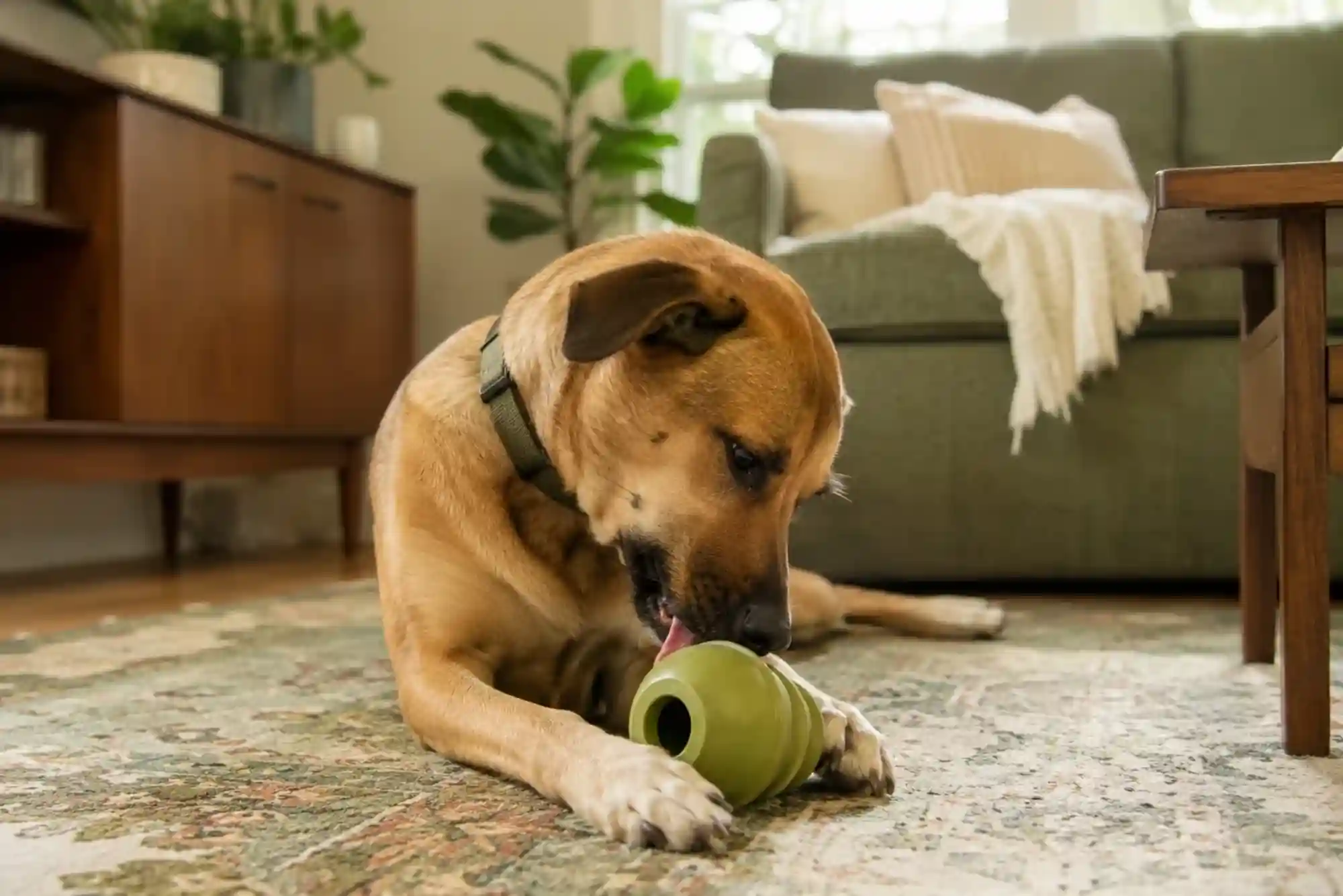
Toy guarding can develop for similar reasons. A dog might treasure a particular ball, chew, or stuffed animal. When someone reaches toward it, the dog may anticipate losing something valuable.
Pain and medical conditions can also affect behavior. A dog experiencing discomfort may become less tolerant of handling or approaches. Sudden or worsening guarding deserves a veterinary assessment.
Understanding the underlying cause helps owners select suitable training methods. Rather than treating every incident as disobedience, focus on changing the dog’s emotional response.
How Trade Drills Help Stop Resource Guarding
Trade drills teach dogs that releasing an object can lead to something equally valuable or even better. The goal is cooperation, not confrontation.
For example, a dog holding a toy learns that dropping it earns a delicious treat. Afterward, the owner may return the toy when appropriate. This helps the dog understand that releasing an object does not always mean losing it permanently.
Start With Low-Value Objects
Begin training when your dog is relaxed and comfortable. Choose an ordinary toy that your dog enjoys but does not fiercely protect. Avoid starting with bones, food bowls, or highly treasured possessions.
Offer a high-value treat near your dog without grabbing the toy. When the dog voluntarily releases the object, reward the behavior. Once the dog moves away, calmly retrieve the toy if necessary.
Keep the first sessions brief and successful. Repetition helps the dog associate releasing objects with positive outcomes.
Introduce a Verbal Trade Cue
Once your dog willingly releases the toy, introduce a consistent cue such as “trade” or “drop.” Say the cue immediately before offering the reward.
When the dog releases the object, praise it and provide the treat. Keep your movements relaxed and avoid reaching suddenly toward the dog’s mouth.
Gradually, the cue becomes a predictable signal. Your dog learns that cooperation brings rewards rather than conflict.
Practise Returning the Toy
Returning a safe toy can strengthen the exercise. After rewarding the release, give the toy back when appropriate. This demonstrates that cooperation does not always end playtime.
However, never return dangerous objects or anything your dog must not swallow. Safety takes priority over completing a training repetition.
Managing Food Resource Guarding Safely
Food guarding requires special care because reaching toward a bowl can trigger a strong defensive response. Never test your dog’s tolerance by repeatedly removing its food.
Instead, begin by observing your dog during normal meals. Feed it in a quiet location where children and other pets cannot approach. Give the dog enough space to eat without interruption.
If your dog remains comfortable with people at a distance, a qualified professional may recommend carefully structured counterconditioning. The general principle is to create a positive association with a person’s presence.
For example, a person may appear at a safe distance and toss a special treat toward the dog. The person then moves away without touching the bowl. Over time, the dog may learn that nearby people predict additional rewards.
The distance must remain comfortable for the dog. If it freezes, stiffens, growls, or stops eating, the interaction may be too difficult. Increase the distance and seek professional guidance when necessary.
Never put your hands into the food bowl to prove control. Avoid taking food away as punishment or forcing the dog to tolerate close contact.
Preventing Toy Aggression During Everyday Play
Toy guarding can often be managed by making play predictable. Use separate toys for separate activities, and avoid chasing your dog to retrieve an object.
Chasing can turn possession into a competitive game. It may also increase anxiety if the dog expects its belongings to be taken.
Instead, practise trades with suitable toys during calm sessions. Offer a reward, wait for the voluntary release, and reinforce cooperation. If the toy is safe, returning it can help maintain trust.
When a dog guards a particular object intensely, leave it alone unless immediate safety requires intervention. Prevent access to dangerous items and consult a qualified, reward-based behavior professional.
In multi-dog households, provide separate feeding spaces and manage high-value chews carefully. Never assume pets will share valuable resources safely just because they usually get along.
Mistakes to Avoid When Training Resource Guarding
One common mistake is punishing growling. Growling communicates discomfort and gives people an opportunity to respond safely. Suppressing this warning without changing the underlying emotion can increase bite risk.
Another mistake is forcibly removing possessions. Grabbing collars, opening mouths, or cornering dogs can intensify defensive behavior.
Owners should also avoid moving too quickly through training exercises. A dog that trades a low-value toy may not be ready to surrender a favorite bone. Training must progress according to the dog’s comfort, not a fixed schedule.
Finally, do not expect every dog to respond identically. Some improve with straightforward management and training. Others need individualized support because of previous experiences, intense guarding, or bite history.
When Should You Seek Professional Help?
Professional assistance is especially important if your dog has bitten someone, lunged during guarding, or protects several types of resources. Seek help if children live in the household or if the behavior is becoming more frequent.
Start with a veterinarian when guarding appears suddenly or changes noticeably. Pain and other medical concerns should be investigated before assuming the behavior is purely training-related.
A qualified veterinary behaviorist or appropriately credentialed, reward-based behavior professional can assess triggers and create a tailored plan. Until then, prevent confrontations and keep children away from guarded resources.
Safety management is not a failure. It gives your dog a predictable environment while reducing the chance of injury.
Frequently Asked Questions
Can resource guarding in dogs be stopped completely?
Many dogs improve significantly with management and appropriate behavior modification. However, outcomes depend on the dog’s history, triggers, and individual temperament. Some dogs require lifelong precautions around certain resources.
Should I take my dog’s food away to stop guarding?
No. Repeatedly removing food can increase anxiety and strengthen defensive behavior. Feed your dog in a quiet space and use professionally guided counterconditioning when appropriate.
How long does resource guarding training take?
Progress varies from dog to dog. Some dogs show improvement within several weeks, while more serious cases require months of structured work. Avoid rushing exercises or increasing difficulty before the dog feels comfortable.
Is resource guarding a sign of aggression?
Resource guarding is a protective behavior that can include aggressive displays, such as growling or snapping. It does not mean a dog is generally aggressive. Nevertheless, guarding can cause injuries and should be managed seriously.
What is the best trade drill for dogs?
A useful starting exercise involves offering a high-value treat for voluntarily releasing a low-value toy. Reward the release, use a consistent cue, and return the safe toy when appropriate. Dogs with serious guarding require individualized professional guidance.
Conclusion
Resource guarding in dogs becomes easier to manage when owners understand the behavior and avoid unnecessary confrontation. Safe trade drills can teach dogs that releasing possessions brings positive outcomes. Meanwhile, careful feeding arrangements and predictable routines reduce opportunities for conflict.