Introdudtion
Grooming is a natural and necessary daily routine for every healthy feline. Cats spend up to half of their waking hours licking their fur to clean themselves, regulate body temperature, and relax. During this process, tiny hook-like structures on their tongues catch loose hairs, which are then swallowed. Most of this hair moves through the digestive tract and passes out harmlessly in the stool. However, when hair accumulates in the stomach faster than it can pass, it forms a dense mass known as a hairball.
Understanding the right Hairball Remedies for Cats: Vaseline vs Malt Paste vs High-Fiber Wet Diets can make a significant difference in your pet’s comfort and health. While an occasional hairball is usually harmless, frequent hacking, retching, or vomiting indicates an underlying issue that needs attention. Repeated hairball production can cause discomfort, loss of appetite, or dangerous intestinal blockages that require medical intervention. Exploring hairball remedies for cats: Vaseline vs malt paste vs high-fiber wet diets helps cat owners choose a safe, reliable, and effective solution.
Understanding Why Cats Get Hairballs
Hairballs develop when ingested fur gathers in the stomach instead of moving into the intestines. Long-haired breeds, such as Persians, Maine Coons, and Ragdolls, naturally swallow more fur during grooming. As a result, these breeds face a much higher risk of developing hairballs throughout the year. Shedding seasons in spring and autumn also increase the volume of loose hair your cat ingests. During these times, even short-haired cats can experience hairball buildup. Increased self-grooming due to seasonal changes makes extra preventive care essential.
Stress, anxiety, and skin allergies can cause a cat to groom excessively, leading to extra hair consumption. When cats lick themselves repeatedly to self-soothe, their stomachs quickly fill with hair. Managing stress and treating skin conditions play an important role in controlling hairball production. Sluggish digestion can also contribute to hairball formation in adult and senior cats. If a cat’s gastrointestinal tract moves slowly, hair accumulates in the stomach rather than passing normally. Identifying these root causes helps owners choose the best hairball remedies for cats: Vaseline vs malt paste vs high-fiber wet diets.
Vaseline as a Hairball Remedy
Pet owners have used petroleum jelly, commonly known as Vaseline, as an informal household treatment for decades. Petroleum jelly works as a mechanical lubricant inside the digestive tract. It coats swallowed fur and the stomach lining, allowing the hairball to slide easily into the stool. Many cat owners consider petroleum jelly because it is inexpensive, easily accessible, and works quickly. When a cat has an immediate, mild buildup of fur, a small dab on the paw forces the cat to lick it off, offering fast lubrication.
However, petroleum jelly carries notable disadvantages and safety risks when used frequently. Vaseline is a mineral oil derivative that offers zero nutritional value to your pet. Regular use can interfere with the absorption of essential fat-soluble vitamins, including vitamins A, D, E, and K. Furthermore, petroleum jelly carries a risk of accidental inhalation or aspiration into the lungs if forcing the cat to consume it causes coughing. Aspiration of petroleum products can lead to lipoid pneumonia, a serious and potentially fatal respiratory condition. Petroleum jelly can serve as a temporary emergency measure, but it is not a safe long-term solution.

Malt Paste for Hairballs
Malt paste is a specialized veterinary product designed specifically to address hairball issues safely. It combines malt extract, oils, fats, and dietary fibers into a tasty paste that most cats accept willingly. The primary mechanism of action involves lubricating the ingested hair while stimulating normal intestinal movement. The oils in the paste coat the hairball, breaking down dense tangles of fur, while the malt extract enhances palatability so cats view it as a treat.
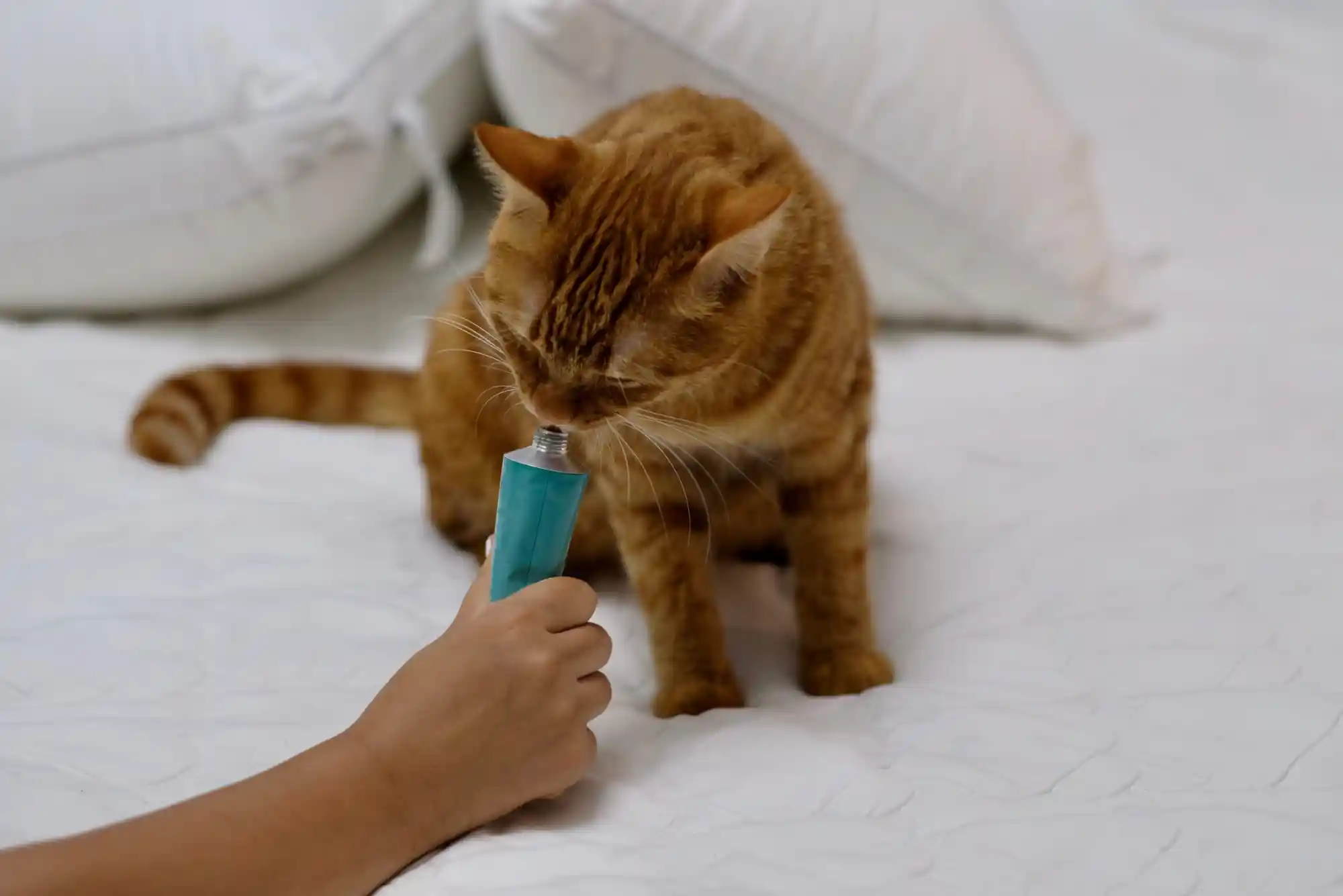
Unlike plain petroleum jelly, commercial malt pastes often contain added beneficial ingredients. Many manufacturers formulate their pastes with omega-3 and omega-6 fatty acids to promote healthy skin and reduce shedding. Others include prebiotic fibers to support gut flora and maintain optimal digestive function. Administering malt paste is straightforward because the flavor appeals to most felines. You can offer it directly from the tube, mix it into regular food, or dab a small amount onto your cat’s paw. For long-term maintenance, malt paste is vastly superior to crude petroleum jelly due to its safety profile and nutritional additions.
High-Fiber Wet Diets
High-fiber wet diets offer a holistic, dietary strategy for hairball management. Rather than coating the stomach after hair accumulates, high-fiber food works continuously to maintain smooth digestive flow. Fiber plays a vital role in feline digestive health by adding bulk and holding moisture within the stool. Insoluble fiber helps push hair through the stomach and intestines before it clusters into a tight mass. Soluble fiber feeds healthy gut bacteria, promoting strong intestinal muscles that keep digestive contents moving efficiently.
Choosing wet food over dry kibble provides essential hydration that helps prevent constipated hairball blockages. Cats naturally have a low thirst drive, and chronic mild dehydration makes hairballs harder to pass. High-moisture wet food softens digestive contents, allowing hair to move smoothly through the intestinal tract. Transitioning your cat to a high-fiber wet diet requires a gradual approach over seven to ten days. Slowly mixing increasing amounts of the new food into the old food prevents stomach upset and diarrhea. Once established, a fiber-rich wet diet provides daily, effortless hairball control without needing daily paste administration.
Comparing Hairball Remedies
Evaluating hairball remedies for cats: Vaseline vs malt paste vs high-fiber wet diets helps clarify which option fits your cat’s specific lifestyle and health status. Each remedy offers unique mechanisms, advantages, and drawbacks. Vaseline provides immediate, low-cost lubrication for acute hairball discomfort. However, it lacks nutritional benefits and poses risk of nutrient malabsorption and aspiration pneumonia with frequent use. It works best as an occasional short-term measure when other options are unavailable.
Malt paste balances fast-acting lubrication with safety and convenience. It is formulated specifically for feline digestion and enriched with beneficial vitamins and essential fatty acids. While it requires active administration, most cats enjoy the taste, making it ideal for regular maintenance during heavy shedding seasons. High-fiber wet diets offer a long-term, preventive approach to hairball management. They optimize daily digestion and hydration naturally through meals, eliminating the need for daily supplements. While special diets cost more than basic remedies, they provide complete nutritional support and address the root cause of hairball accumulation.
Additional Hairball Prevention Techniques
While dietary remedies and lubricants are essential, combining them with consistent daily care produces the best results. Daily brushing removes loose hair before your cat swallows it during self-grooming. Using an appropriate brush for your cat’s coat type reduces hairball production significantly. Increasing overall hydration supports every aspect of your cat’s digestive tract. Installing pet water fountains encourages cats to drink more fresh, moving water throughout the day. Added moisture keeps intestinal contents soft, preventing hair from stopping in the stomach.
Growing fresh cat grass gives your pet a safe, natural source of roughage and dietary fiber. Cat grass stimulates mild digestive movement, helping cats clear swallowed fur naturally before it becomes a problematic mass. Encouraging daily play and physical exercise improves intestinal motility and gut health. Active cats experience faster digestion, which prevents hair from settling in the stomach. Interactive play sessions keep your cat fit, reduce stress-induced grooming, and promote regular bowel movements.
When to Consult a Veterinarian
While occasional hairballs are common, frequent retching without producing a hairball signals a potentially dangerous digestive issue. A hairball that becomes lodged in the stomach or intestines can cause an obstruction, requiring urgent medical care. Contact your veterinarian immediately if your cat displays severe symptoms such as repeated unproductive vomiting, complete loss of appetite, lethargy, or weakness. A swollen or painful abdomen, constipation, or dark, tarry stools also indicate a potential intestinal blockage.
Your veterinarian can conduct diagnostic tests, including X-rays or ultrasound, to locate obstructions safely. Professional advice ensures your cat receives proper treatment, ranging from specialized laxatives to emergency surgical removal if necessary. Early detection prevents life-threatening complications and ensures your cat recovers quickly. Relying on professional advice gives you peace of mind while addressing severe hairball problems effectively.
Conclusion
Finding effective solutions requires understanding hairball remedies for cats: Vaseline vs malt paste vs high-fiber wet diets. While Vaseline acts as a quick temporary lubricant, its lack of nutrition and safety risks make it unsuitable for long-term care. Malt paste provides a safe, palatable, and effective option for targeted treatment during heavy shedding periods. High-fiber wet diets offer the most comprehensive, long-term solution by combining constant digestive movement with essential hydration.
By combining daily grooming, proper hydration, and an appropriate dietary strategy, you can protect your cat from hairball discomfort and support their overall health. Consult your veterinarian to create a personalized hairball prevention plan tailored to your cat’s specific coat, diet, and lifestyle needs today. Taking proactive steps ensures your feline companion stays happy, comfortable, and active for years to come.
Frequently Asked Questions
How often should a cat throw up hairballs?
An occasional hairball once every one to two weeks is considered normal for most cats, especially long-haired breeds during shedding seasons. However, if your cat produces hairballs multiple times a week or retches without bringing anything up, consult your veterinarian to check for underlying digestive issues.
Is Vaseline safe for cats with hairballs?
Vaseline is generally non-toxic in tiny amounts, but it is not recommended for regular long-term use. Frequent administration can prevent your cat’s body from absorbing essential vitamins and carries a risk of dangerous lung aspiration if administered incorrectly.
How quickly does malt paste work for hairballs?
Malt paste typically begins lubricating swallowed fur in the digestive tract within 12 to 24 hours after administration. Regular use over several days helps break down existing hair accumulation and allows fur to pass naturally through the stool.
Can high-fiber wet food prevent hairballs permanently?
High-fiber wet food significantly reduces hairball formation by improving intestinal movement and keeping intestinal contents hydrated. While it may not eliminate hairballs completely in heavy-shedding long-haired cats, it provides continuous preventive care that minimizes their occurrence.
What is the fastest home remedy for cat hairballs?
Brushing your cat thoroughly to remove loose fur combined with offering a dose of specialized malt paste is the fastest, safest home approach to relieve hairball accumulation and prevent future buildup.