Introduction
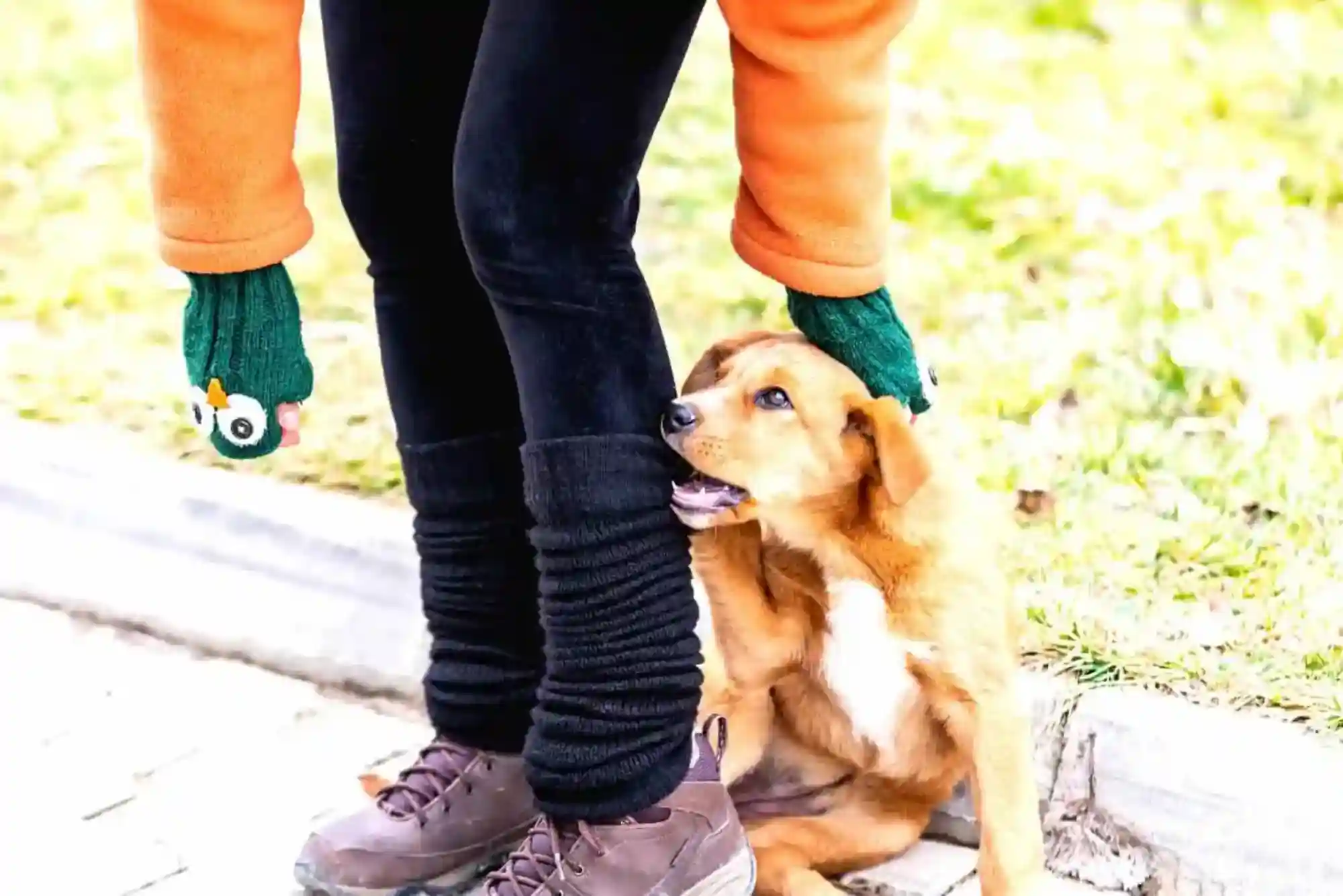
Puppy biting can turn an enjoyable walk into a frustrating experience. Your puppy may suddenly grab your ankles, pull at your pant legs, or nip your shoes while you are moving. Although this behavior can feel aggressive, it is usually a normal part of puppy development.
Understanding how to stop a puppy from biting ankles and pant legs during walks starts with identifying the underlying cause. Puppies often bite because they are excited, overstimulated, tired, or exploring their surroundings. Some also chase moving feet because their natural instincts encourage them to follow motion.
Fortunately, consistent training can help your puppy develop better walking habits. With patience, positive reinforcement, and appropriate exercise, you can teach your puppy to walk calmly without biting your clothes.
Why Do Puppies Bite Ankles and Pant Legs During Walks?
Before correcting the behavior, it is important to understand why it happens. Puppies communicate and explore through their mouths. Biting clothing may therefore serve several different purposes.
Natural Play and Hunting Instincts
Moving feet can resemble exciting moving targets to young dogs. Herding breeds may instinctively chase heels, while other puppies may treat pant legs as toys.
When your puppy grabs your trousers, pulling away quickly can make the game more exciting. Understanding this reaction helps you respond calmly rather than accidentally encouraging the behavior.

Teething and Mouth Discomfort
Puppies experience teething discomfort as their adult teeth develop. Chewing can provide temporary relief, making clothing and shoelaces attractive targets.
Providing suitable chew toys can redirect this natural urge. However, teething is not always the reason behind ankle biting, particularly when the behavior occurs mainly during walks.
Overexcitement and Overtiredness
Puppies have limited attention spans and can become overwhelmed by busy environments. Traffic, unfamiliar people, other dogs, and exciting smells may increase their arousal.
An overtired puppy may struggle to control its impulses. Consequently, biting often becomes more frequent near the end of a walk or after an exciting encounter.
How to Stop a Puppy from Biting Ankles and Pant Legs During Walks
The most effective approach combines calm responses, reward-based training, and suitable walking routines. Avoid expecting immediate perfection because puppies need repeated opportunities to practise new behaviors.
Stop Moving When Your Puppy Starts Biting
When your puppy bites your ankles or pant legs, stop walking calmly. Keep your feet still and avoid pulling your trousers away like a tug toy.
Moving quickly can encourage chasing. Instead, wait briefly for your puppy to release the fabric, then reward calm behavior.
If your puppy continues biting, calmly create distance or use a barrier when practical. Resume walking once your puppy is settled.
Redirect Biting Toward an Appropriate Toy
Carry a small, puppy-safe tug toy during walks. When your puppy begins targeting your clothing, offer the toy as an alternative.
Praise your puppy for biting the toy instead of your legs. This teaches an important lesson: playing with appropriate objects earns attention, while biting clothing does not.
However, avoid waving the toy constantly in front of your puppy. Introduce it when needed and reward appropriate engagement.
Reward Calm Walking
Positive reinforcement helps puppies understand which behaviors you want them to repeat. Carry small treats and reward your puppy whenever it walks beside you without grabbing clothing.
Initially, reward frequently, even after a few calm steps. Gradually increase the distance between rewards as your puppy improves.
You can also reward voluntary eye contact and walking on a loose leash. These behaviors encourage your puppy to focus on you rather than your moving feet.
Teach a Reliable Attention Cue
Choose a simple cue, such as “look” or your puppy’s name. Practise indoors before introducing it during walks.
Say the cue once and reward your puppy for turning toward you. Repeat this exercise in quiet outdoor spaces before practising near distractions.
When your puppy starts focusing on your ankles, use the cue before biting begins whenever possible. Reward your puppy for reconnecting with you.
Keep Walks Short and Age-Appropriate
Long walks are not always the answer to puppy biting. Excessive stimulation and fatigue can make self-control more difficult.
Instead, plan short outings suited to your puppy’s age, health, breed, and vaccination guidance. Allow time for sniffing, gentle exploration, and rest.
If ankle biting increases consistently after several minutes, shorten the outing and observe whether the behavior improves. Your puppy may need a quieter environment rather than additional exercise.
What Should You Avoid When Your Puppy Bites Your Clothes?
Your response can either reduce the behavior or make it more rewarding. Therefore, avoid shouting, hitting, kneeing your puppy away, or forcibly pulling clothing from its mouth.
Punishment may increase fear or excitement without teaching an appropriate alternative. It can also damage trust and make future training more difficult.
Avoid turning ankle biting into a chase game. Running away, rapidly moving your feet, or repeatedly tugging at fabric may reinforce the behavior.
Instead, remain calm and make the desired behavior rewarding. Consistency matters because mixed responses can confuse your puppy.
How to Prevent Puppy Biting Before a Walk
Prevention can make training easier by reducing the situations that trigger biting. Before leaving home, allow your puppy to settle and practise a few simple attention exercises.
Bring suitable treats and a safe toy. Choose quieter walking routes while your puppy learns to manage distractions.
Check whether your puppy has received enough sleep throughout the day. Young puppies need substantial rest, and overstimulation can quickly affect their behavior.
Also, avoid beginning a walk when your puppy is already highly excited. A calm start creates better opportunities for learning.
When Should You Seek Professional Help?
Most puppy ankle biting improves with consistent training and maturity. However, professional guidance may be helpful when biting becomes intense, frequent, or difficult to interrupt.
Consult a veterinarian if the behavior begins suddenly or appears alongside signs of pain, illness, or unusual distress. A qualified, reward-based dog trainer can assess persistent biting and create a suitable training plan.
Seek additional help if your puppy regularly breaks the skin, stiffens aggressively, guards objects, or cannot settle after reasonable attempts to redirect it. These signs deserve individual assessment rather than assumptions about normal puppy play.
Frequently Asked Questions
Why Does My Puppy Bite My Ankles When I Walk?
Puppies often bite ankles because moving feet trigger play, chasing, or herding instincts. Teething, excitement, and tiredness may also contribute. Observe when the behavior occurs to identify its likely trigger.
How Do I Stop My Puppy from Biting My Pant Legs?
Stop moving when biting begins, avoid pulling the fabric, and redirect your puppy toward an appropriate toy. Reward calm walking and appropriate play consistently. Over time, your puppy can learn that clothing is not a toy.
Should I Ignore My Puppy When It Bites Me?
Briefly withdrawing attention can help when your puppy seeks play. However, ignoring the behavior alone may not work if your puppy is overstimulated or tired. Combine a calm pause with redirection and rewards for appropriate behavior.
Does Puppy Ankle Biting Mean Aggression?
Not necessarily. Many puppies bite ankles during normal play or when they become excited. Nevertheless, intense biting, repeated injuries, guarding, or concerning body language should be assessed by a veterinarian or qualified behavior professional.
At What Age Do Puppies Stop Biting Clothes?
Puppy biting often decreases as dogs mature and learn impulse control. The timeline varies depending on the individual puppy, training consistency, and underlying triggers. Teething-related chewing may improve earlier than learned chasing or attention-seeking habits.
Conclusion
Learning how to stop a puppy from biting ankles and pant legs during walks requires patience, consistency, and an understanding of puppy behavior. Most puppies need guidance to manage excitement, redirect their chewing, and develop calm walking habits.